Outdoor recreation has become integral to community competitiveness. Regions with high-quality assets are leading the way in attracting residents and visitors, supporting business growth, and diversifying local economies. Yet true destination development goes beyond simply adding trails, ski runs, or river access. Successful and sustainable development is stewardship: protecting natural assets, reinvesting in infrastructure, and strengthening communities. Without stewardship, growth can weaken community identity and strain the very resources that make destinations thrive. With stewardship, development becomes an investment in long-term economic resilience.
Principles of Stewardship in Destination Development
Economic developers have come to recognize that outdoor recreation assets are more than amenities. They are catalysts for economic development, talent attraction, and quality of place. Young adults tend to be highly mobile and often choose where to live based on lifestyle factors, including access to the outdoors. Communities that combine strategic development with stewardship create lasting value.
1Stewardship involves investing in both physical and intangible infrastructure. Trails connecting downtowns to natural spaces, marketing initiatives that highlight lesser-known assets, and seasonal attractions expanding with year-round activities contribute to economic resilience while preserving natural and social systems.[1] Programs that engage visitors in responsible use, such as volunteer opportunities or guided stewardship activities, reinforce this approach.[2] At its core, stewardship ensures that outdoor recreation benefits both residents and visitors. Destination development, if not paired with strong stewardship, risks undermining long-term community vitality.[3]
Stewardship in Action
Examples from destination development initiatives at a variety of scales show how a stewardship-minded approach translates into tangible economic and community outcomes.
- Park City, Utah, demonstrates how aligning recreation development with community planning can support both economic growth and quality of place. The city has implemented affordable housing programs to retain its workforce, invested in public transit and regional mobility solutions to reduce congestion, and prioritized sustainability initiatives that protect surrounding natural assets. By coordinating recreation-driven growth with housing, transportation, and environmental planning, Park City shows that stewardship can complement destination development, creating a resilient and inclusive outdoor economy.
- Smaller communities have also found ways to integrate stewardship at a local scale. Stowe, Vermont, provides a strong example through its 5.3-mile Stowe Recreation Path, a greenway connecting downtown with neighborhoods, farms, and scenic views of Mount Mansfield. This community-driven project has become both a local amenity and a regional tourism draw. Funding comes from a combination of private donations, state and federal resources, and innovative campaigns where residents and visitors can “buy” a foot of trail. Local businesses benefit from increased visitation, while residents enjoy a free, year-round recreation resource. Stowe demonstrates how careful planning, reinvestment in maintenance, and community engagement can create an asset that balances economic growth with environmental and social stewardship.
- At a broader scale, the Brad and Alys Smith Outdoor Economic Development Collaborative (OEDC) at West Virginia University illustrates how a state can implement these principles comprehensively. Founded through a $25 million gift, OEDC has advanced a place-based strategy tying outdoor development to workforce, education, and sustainability. Through programs like Ascend WV, the organization has attracted new residents, expanded trail systems, introduced outdoor STEM curriculum in schools, and co-founded the National Outdoor Recreation Workforce Consortium. In 2024, OEDC launched the Community-driven Outdoor Recreation Economies Initiative, which addressed gaps in business development, nonprofit support, and workforce training. By aligning outdoor recreation investment with stewardship of that state’s workforce, education, and economic systems, OEDC has created durable growth that benefits both people and place.
Takeaways for Building Sustainable Outdoor Recreation Economies
Protecting natural resources, reinvesting in maintenance, supporting local businesses, and ensuring residents benefit directly from recreation growth are not secondary considerations—they are essential to sustainable destination development. From small towns like Stowe to regional hubs like Park City and statewide initiatives like OEDC, communities that integrate development with stewardship provide a model for outdoor economies that endure.
- Plan for stewardship from the start. Development without reinvestment leads to erosion of assets and community strain.
- Integrate across systems. Housing, transit, and environmental planning must work in tandem with recreation development.
- Engage residents as stakeholders. Stewardship succeeds when communities see themselves as co-owners of outdoor assets.
- Diversify and distribute assets. More options reduce pressure on popular destinations while extending benefits to more communities.
By learning from successes at multiple scales, economic and workforce development practitioners can support thriving destinations that add value for both residents and visitors, today and for generations to come.
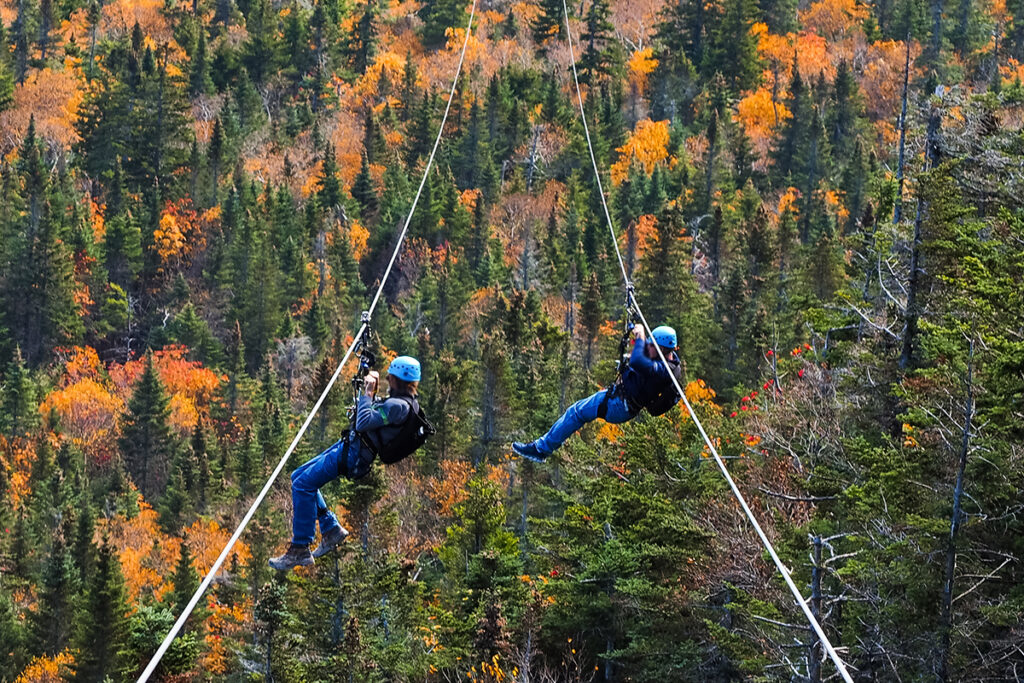
[1] In Bentonville, Arkansas, mountain bike trails that connect downtown to natural spaces have spurred commercial activity. In Marquette, Michigan, Travel Marquette has been instrumental in promoting the region’s outdoor assets, especially lesser-known assets through their adventure guides. Once viewed as seasonal attractions, ski areas are increasingly looking to diversify and add year-round activities, ranging from gravity fueled adrenaline sports such as mountain biking, zip-lining, and ropes courses to mellower, family-friendly hiking trails, alpine slides, and artificial ski surfaces. Whistler Mountain in British Columbia was an early pioneer in developing summer mountain biking trail networks; its summer visitors now outpace the number of winter ones.
[2] Responsible tourism programs also help protect local culture and the environment. These initiatives, such as the National Park Service’s Volunteers-in-Parks program, offer visitors perspective beyond traditional recreation and provide them hands-on experience in moving sustainable initiatives forward.
[3] Mountain towns in the Western US provide a cautionary example of what happens when growth outpaces stewardship. Communities such as Aspen and Telluride, Colorado, have seen surging visitation and second-home demand drive economic expansion, but also fuel rising housing costs and strain local infrastructure. The result is a shortage of affordable housing for workers, neighborhoods with large numbers of vacant seasonal homes, and added pressure on community services that were not designed for high seasonal demand. Although the outdoor assets remain world-class, these towns now grapple with difficult questions around affordability, congestion, and quality of place.