Insights

Entrepreneurship & innovation

Team of Computer Engineers Work on Machine Learning Neural Network Technology Development.

Workforce Strategy in the Age of AI

Framing the AI revolution purely as labor disruption misses a core economic reality: corporations exist to maximize profitability, not create jobs. To build enduring regional systems, workforce and economic development leaders must pivot from reactive supply-matching to operational partnerships. Aligning upskilling strategies with task-level AI fluency can help ensure human capital remains the primary engine driving business success.

Workforce Strategy in the Age of AI Read More

Aerial view of a large AI data center complex under construction,

Data Centers: Contentious Infrastructure of the Future

Data center build-out remains a major topic for economic developers in communities of all sizes. At the same time, public opposition to these massive investments also continues to grow and has increasingly codified into moratoriums and outright bans. Local leaders should reframe their perspective on data centers as catalysts with the potential to drive innovation, if structured to center community benefits.

Data Centers: Contentious Infrastructure of the Future Read More

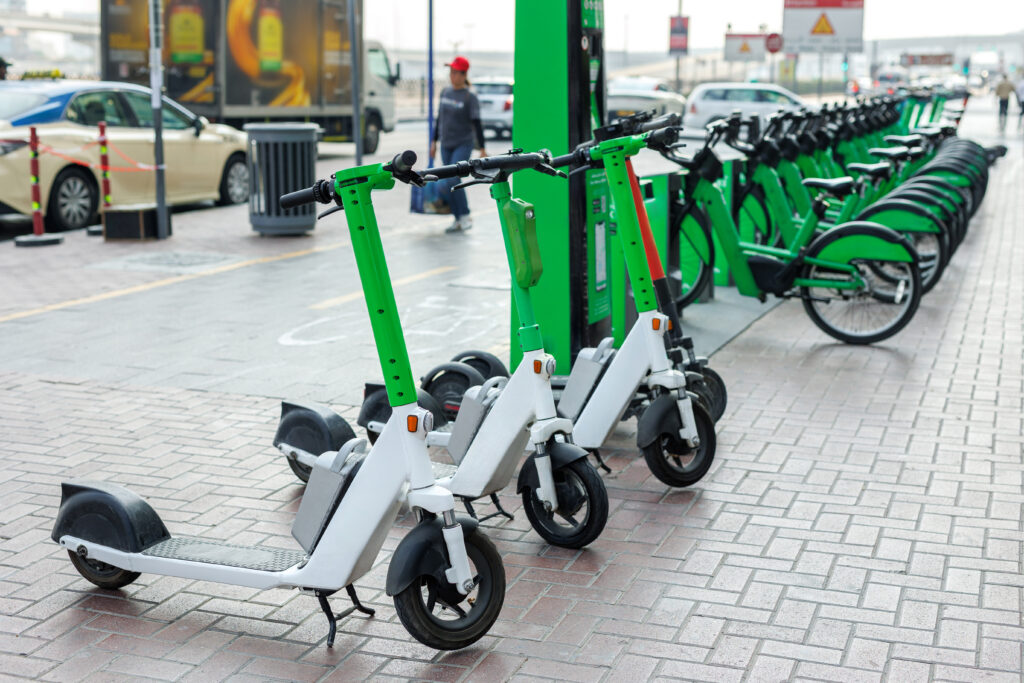
Row of electric scooters and bicycles at a rental station.

Building Resilience in Micromobility

Urban areas face persistent traffic and parking challenges that can stifle economic vitality and limit the impact of transit investments. While micromobility offers a flexible solution, the long-term viability of these programs varies widely. By examining system resilience and infrastructure, this piece identifies how communities can successfully align bikes and e-scooters with broader economic goals.

Building Resilience in Micromobility Read More

Mountain bike outdoor recreation innovation image by Kyle Bolen Photo

Outdoor Recreation as a Catalyst for Place-Based Innovation

Outdoor recreation is fueling a new wave of entrepreneurship and place-based economic growth. TIP’s recent work in Colorado and Michigan shows how aligning natural assets with higher education, startup support, and industry innovation can build resilient local economies. Communities that treat outdoor recreation as an economic engine—not just tourism—are better positioned to compete for business, talent, and investment.

Outdoor Recreation as a Catalyst for Place-Based Innovation Read More

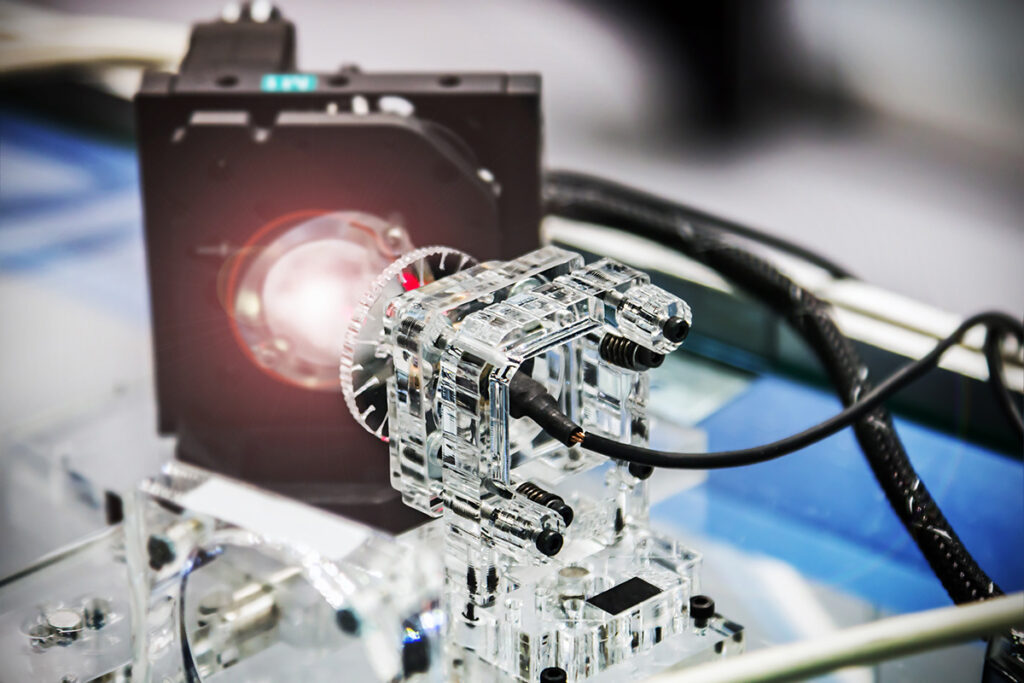
Engineers working on a robotic arm - Innovation

State of Innovation

Over the last three decades, TIP has challenged conventional thinking about innovation. From our early work in Racine, Wisconsin, to current strategies for anticipating disruption, our approach has sought to align community assets with emerging trends. Managing partner Jon Roberts reflects on how economic development organizations can build lasting capacity for innovation in a rapidly changing world.

State of Innovation Read More

AI digital hank shaking a human hand

AI Agents in Economic Development

Economic development teams often face the challenge of implementing strategic plans with limited capacity. As a practical innovation, AI agents represent a promising shift in meeting that challenge. They represent a novel approach to how work gets done through a clear and phased approach.

AI Agents in Economic Development Read More

Scientist in a lab working with test tubes. A tube with red liquid is being lifted out of the test tube holder.

Building an Innovation Economy: Lessons from Texas and Mississippi

Higher education plays an essential role in strong innovation economies. TIP’s Talent, Innovation, and Place framework encompasses the idea that aligning universities with economic development efforts is central to community success. Recent plans for Texas and Mississippi illustrate how states and regions can build an innovation economy through academic and industry partnerships.

Building an Innovation Economy: Lessons from Texas and Mississippi Read More

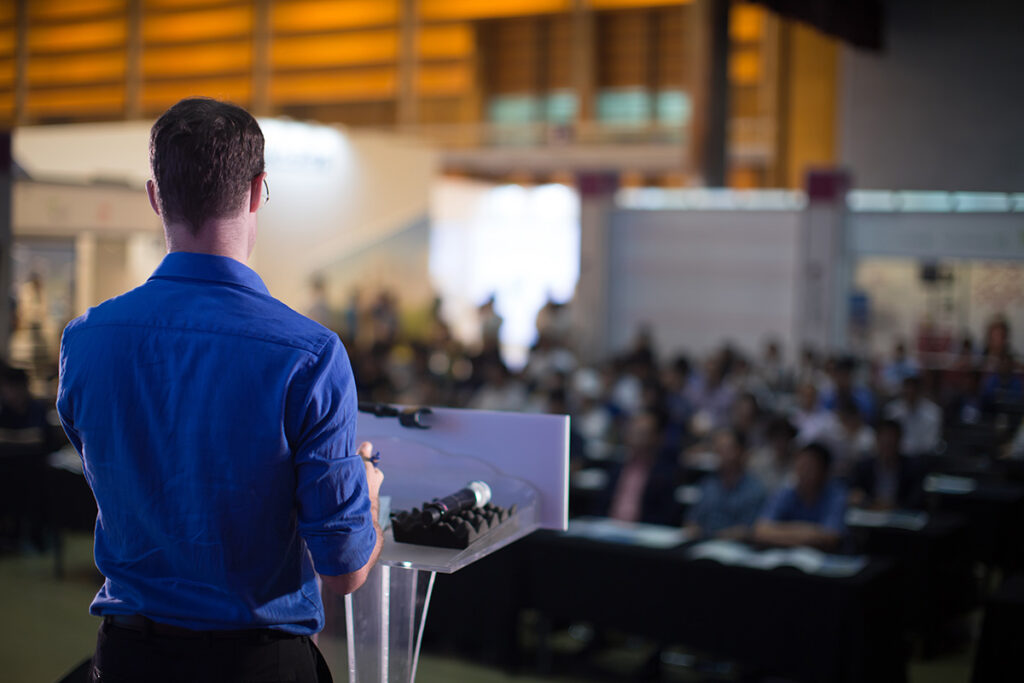
Man presenting to an audience seeking SBIR and STTR funding

Accessible Innovation Capital: SBIR & STTR Programs

When it comes to improving a community’s innovation assets, economic development practitioners can do only so much to influence postsecondary science and engineering programs or to increase the presence of venture capital firms. Supporting R&D-focused small businesses through the process of accessing federal SBIR/STTR dollars is a strategy that fits squarely within the realm of business and economic development.

Accessible Innovation Capital: SBIR & STTR Programs Read More

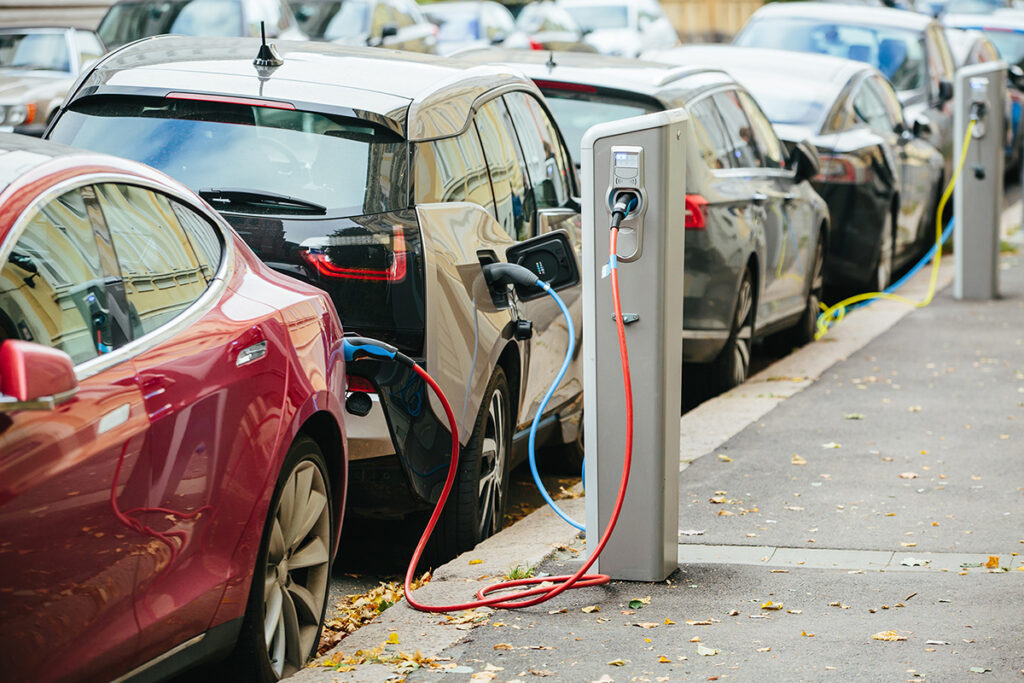
Electric Vehicles Charging

Leveraging EV Market Momentum to Drive Local Economic Impact

The increasingly competitive electric vehicles (EVs) market is reshaping the automotive landscape and presenting new opportunities for economic developers. This post examines key strategies for capitalizing on EV growth, including pursuing federal funding, attracting manufacturing investments, and expanding EV charging infrastructure. By focusing on these areas, communities can position themselves to benefit from the accelerating shift toward electrification.

Leveraging EV Market Momentum to Drive Local Economic Impact Read More

Scroll to Top