Insights

Talent development & attraction

High School Science Classroom: Diverse Multiethnic Group of Students

Meeting the Workforce Moment: Outcomes-Based Higher Education Funding

As public confidence in higher education wavers, policymakers are increasingly funding institutions based on student outcomes. Tools like performance-based funding and Workforce Pell grants tie public dollars to graduate job placement, wage growth, and high-demand credential attainment—reinforcing educators’ role in workforce, increasing accountability for labor market success, and giving economic and workforce developers new levers to shape talent pipelines.

Meeting the Workforce Moment: Outcomes-Based Higher Education Funding Read More

Team of Computer Engineers Work on Machine Learning Neural Network Technology Development.

Workforce Strategy in the Age of AI

Framing the AI revolution purely as labor disruption misses a core economic reality: corporations exist to maximize profitability, not create jobs. To build enduring regional systems, workforce and economic development leaders must pivot from reactive supply-matching to operational partnerships. Aligning upskilling strategies with task-level AI fluency can help ensure human capital remains the primary engine driving business success.

Workforce Strategy in the Age of AI Read More

Aerial view of a large AI data center complex under construction,

Data Centers: Contentious Infrastructure of the Future

Data center build-out remains a major topic for economic developers in communities of all sizes. At the same time, public opposition to these massive investments also continues to grow and has increasingly codified into moratoriums and outright bans. Local leaders should reframe their perspective on data centers as catalysts with the potential to drive innovation, if structured to center community benefits.

Data Centers: Contentious Infrastructure of the Future Read More

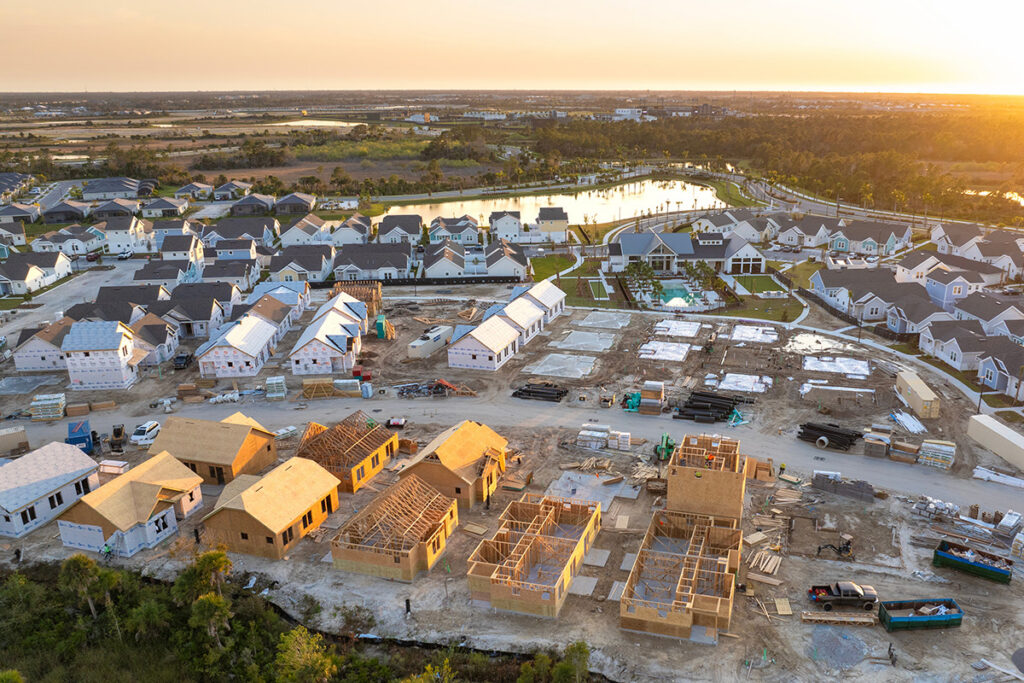
Suburb Housing Development Construction Community

Build-to-Rent: Attainable Community Belonging Amid a Housing Crisis

As the median age of first-time homebuyers reaches record highs, the US housing landscape is shifting toward a model of attainable belonging. Beyond providing housing stock, build-to-rent (BTR) developments are bridging the gap between flexibility and stability by allowing residents to put down roots regardless of their mortgage status. As the model grows, it raises new questions about zoning compatibility and long-term impacts on affordability.

Build-to-Rent: Attainable Community Belonging Amid a Housing Crisis Read More

a group of people waiting for a job interview. and interview is taking place in a glass walled office in the background.

State of Workforce

TIP has spent 30 years at the intersection of economic and workforce development. Our early adoption of a holistic approach that acknowledged the important role of talent in economic vitality anticipated a shift in the profession. TIP CEO and founder Tom Stellman looks back at company milestones in this practice area and considers future trends.

State of Workforce Read More

Diverse students on stairs at university campus chatting.

How International Students Strengthen the Workforce

International students help strengthen economies through their contributions to local industries, culture, and workforce. The US benefits from the steady influx of global talent, particularly in STEM fields, through the F1 visa program. Cities that align academic programs with industry needs and embrace remote work trends are becoming hubs for retaining skilled graduates, fostering long-term economic growth.

How International Students Strengthen the Workforce Read More

A technician installing broadband fiber optic on a house

Building a Broadband Workforce Through Regional Collaboration

Many remote and rural communities struggle to build broadband infrastructure due to their limited resources and capacity. TIP’s examination of the broadband workforce in 32 high-needs counties on behalf of the Texas Broadband Development Office highlights gaps in this critical workforce and the value of a regional approach in bridging this digital divide.

Building a Broadband Workforce Through Regional Collaboration Read More

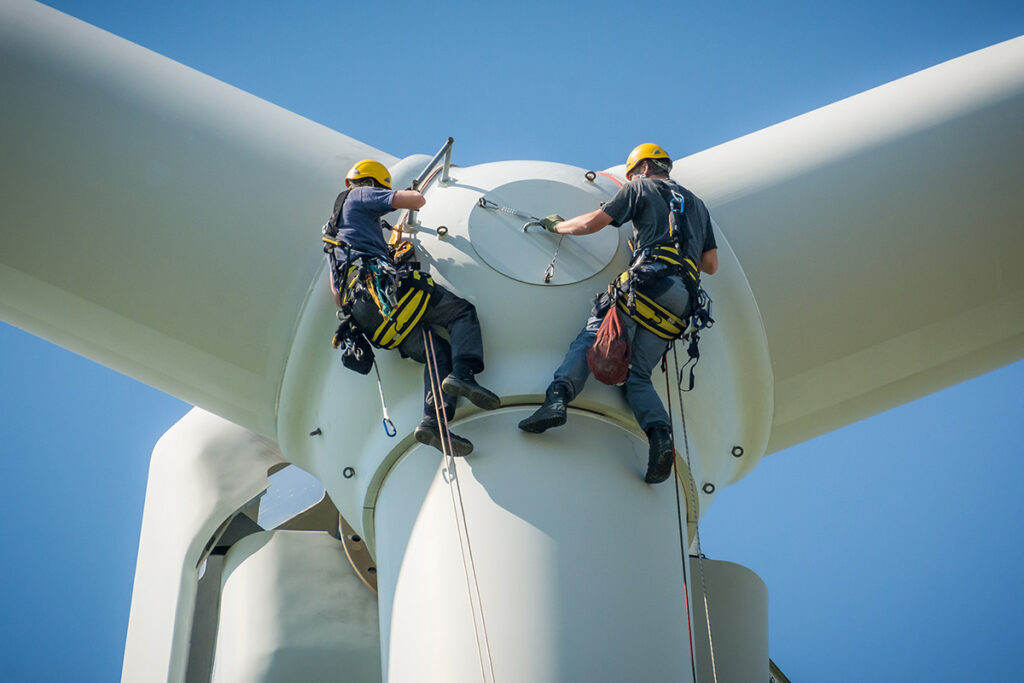
Climate Jobs - Workers repairing a wind turbine

Bridging the Climate Workforce Gap

Expanding green industries, rising energy demands, and climate challenges have made growing the climate workforce an economic priority. While policy shifts create uncertainty, employer demand continues to outstrip the supply of skilled workers. Programs like those in Philadelphia, New Orleans, and Detroit are demonstrating how targeted training, strong partnerships, and community-driven initiatives can build a skilled workforce while expanding economic opportunity and resilience.

Bridging the Climate Workforce Gap Read More

Workers maintaining railroad tracks

Workforce Strategies to Drive Mobility and Infrastructure Talent Growth

The mobility and infrastructure (M+I) industries will face massive workforce shortages nationwide due to large, federally funded capital projects. From transit apprenticeships to safe workplace practices, industry-specific initiatives can act as scaffolding while the foundation of workforce training is built. Efforts to expand the M+I talent pipeline in California’s Santa Clara Valley; Denver, Colorado; and Portland, Oregon are examples.

Workforce Strategies to Drive Mobility and Infrastructure Talent Growth Read More

A Female mentor training a young female intern at office workplace

Quality and Access: The Blueprint for Effective Internships

Internships offer students a way to explore potential career paths, develop early professional skills, and contribute to real-world projects. To be most effective for students and employers, two key components must be in place: access and quality. In this blog post, our 2024 summer intern, Jess Myers, examines both concepts and reflects on her experience at TIP.

Quality and Access: The Blueprint for Effective Internships Read More

Scroll to Top