Jon Roberts

City of Fort Worth, TX – Economic Development Strategic Plan Update

Challenge In December 2017, the City of Fort Worth and TIP Strategies completed an economic development strategic plan (EDSP) built around themes of competitiveness, creativity, and community vitality. The EDSP tied these priorities to four tangible and measurable outcomes over a five-year horizon: high-wage job growth, a more sustainable tax […]

City of Fort Worth, TX – Economic Development Strategic Plan

Challenge Between 2000 and 2017, Fort Worth was one of the fastest-growing large cities in the US. Furthermore, the city has cultivated a unique identity and brand, combining rich cultural heritage with an economy driven by industry-leading employers. Fort Worth achieved this success without a comprehensive, citywide approach for economic

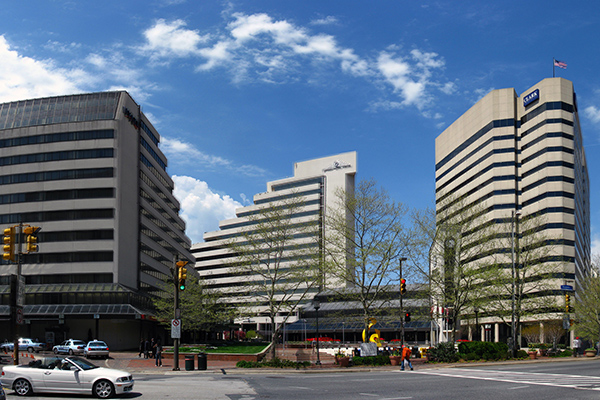
Montgomery County, MD – Comprehensive Economic Strategic Plan

Challenge Montgomery County is one of the most prosperous and successful communities in the United States. It boasts numerous strengths, including world-class research institutions, globally recognizable brands, a highly educated and diverse populace, and attractive neighborhoods. And yet, Montgomery County (and the entire Washington DC region) faced a profoundly changed

Northwest Florida – Regional Strategy for Economic Transformation

Challenge Northwest Florida’s traditional reliance on tourism and on the presence of US military installations and personnel to drive growth has obscured the essential role overall business vitality plays in successful economies. The region’s vulnerability to external shocks and the need to develop a more diversified economy were illuminated first

Oneida Nation of Wisconsin – Economic Development Strategic Plan

Challenge The Oneida Nation of Wisconsin’s last economic development plan was prepared in 1997. Two decades later, the US and global economies had endured the largest downturn in generations. And technological advances and other disruptive forces had transformed multiple industries, like manufacturing and agriculture, that were fundamental to northeast Wisconsin’s

City of Richmond, VA – Comprehensive Economic Development Strategy

Challenge The City of Richmond lacked a prepared workforce and the capacity to build and sustain innovative industries. To better understand their challenges and the opportunities surrounding these issues, the City of Richmond engaged TIP Strategies (TIP) and Hill-Christian Consulting Group (HCCG) to prepare a comprehensive economic development strategy, or

Saratoga County, NY – Economic Development Strategic Plan

Challenge Saratoga County’s economy has consistently outperformed the region. It boasts vibrant communities with some of the highest incomes in the state. Coupled with world-class tourism attractions and a robust and growing healthcare system, Saratoga County enjoys an enviable position, especially as the beneficiary of one of the largest capital

Travis County, TX – Economic Development Strategic Plan

Challenge Renowned for its quality of life and creative industries, the Austin metropolitan area consistently lands on national “best of” lists and has become a magnet for both talent and companies. While the resulting economic boom has improved several prosperity measures for Travis County residents—resulting in declining poverty rates, rising

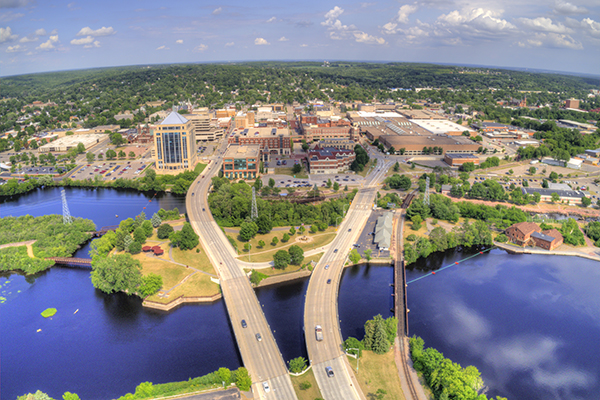
Greater Wausau Chamber of Commerce (WI) – Economic Development Strategic Plan

Challenge In 2018, the city of Wausau had stagnant population growth due to outmigration of residents moving to bigger, high-growth cities as a consequence of a national economy with record low unemployment. The area’s agriculture and food processing industry faced major headwinds due to global competition, automation, and labor shortages.

Wisconsin I-41 Initiative – Economic Development Regional Strategy

Challenge The counties along Wisconsin’s Interstate 41 (I-41) corridor have traditionally comprised one of the nation’s largest manufacturing regions, with the sector accounting for nearly 19 percent of all jobs in 2016 (compared with just 8 percent of employment nationally). Following the Great Recession, the five-county area experienced steady job

Scroll to Top