Alex Cooke

Richland County Economic Development Office (SC) – Economic Development Strategic Plan

Challenge Home to Columbia, South Carolina’s state capital, Richland County boasts an impressive array of assets, including postsecondary institutions, transportation infrastructure, and the US Army’s Fort Jackson. Richland County also offers unique neighborhoods; historical landmarks and homes; a thriving riverfront; cultural, arts, and entertainment offerings; and outdoor recreation. This attractive […]


Delaware Prosperity Partnership – Strategic Operations Plan

Challenge In late 2015, TIP Strategies was commissioned by the Delaware Business Roundtable to prepare a statewide strategy for economic growth and prosperity. The Roundtable engaged state, business, and community leaders in creating an agenda focused on increased capital investment and statewide job creation. Establishing a new public-private partnership (P3)

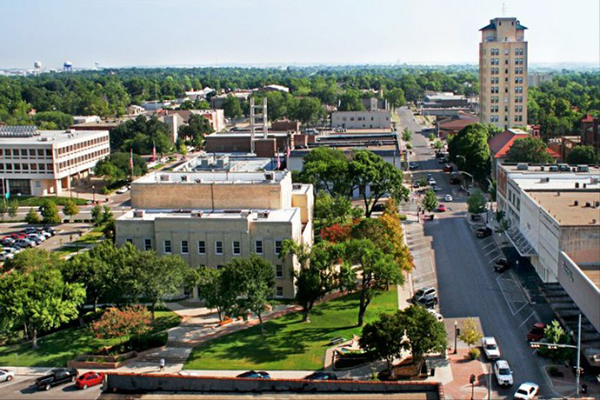
Lubbock Economic Development Alliance (TX) – Economic Development Strategic Plan

Challenge “Imagine Lubbock Together” was a visioning process coordinated by the Lubbock Chamber of Commerce to define the values and goals of the community. A central theme that emerged from this process was the need to design an ambitious plan to diversify and grow the Lubbock economy, which had traditionally

MassDevelopment – Defense Industry Diversification Study & Strategic Blueprint

Challenge Federal spending on defense procurement had generally maintained a downward trajectory since 2008, the result of effects from the Budget Control Act of 2011 and the Great Recession. With the state of Massachusetts predicting impacts in excess of $20 billion dollars from further spending cuts anticipated to its defense

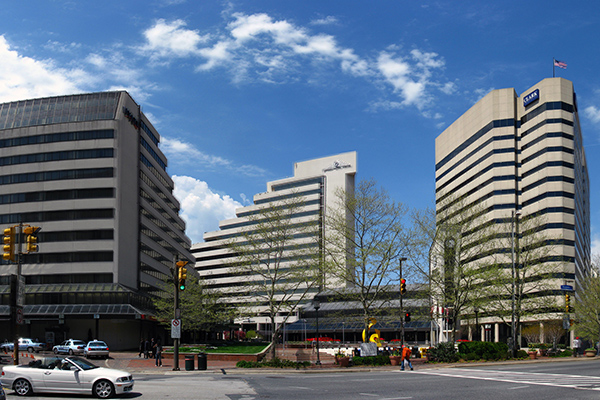
Montgomery County, MD – Comprehensive Economic Strategic Plan

Challenge Montgomery County is one of the most prosperous and successful communities in the United States. It boasts numerous strengths, including world-class research institutions, globally recognizable brands, a highly educated and diverse populace, and attractive neighborhoods. And yet, Montgomery County (and the entire Washington DC region) faced a profoundly changed

Northwest Florida – Regional Strategy for Economic Transformation

Challenge Northwest Florida’s traditional reliance on tourism and on the presence of US military installations and personnel to drive growth has obscured the essential role overall business vitality plays in successful economies. The region’s vulnerability to external shocks and the need to develop a more diversified economy were illuminated first

City of Richmond, VA – Comprehensive Economic Development Strategy

Challenge The City of Richmond lacked a prepared workforce and the capacity to build and sustain innovative industries. To better understand their challenges and the opportunities surrounding these issues, the City of Richmond engaged TIP Strategies (TIP) and Hill-Christian Consulting Group (HCCG) to prepare a comprehensive economic development strategy, or

Temple Economic Development Corporation (TX) – Target Industry Study and Target Marketing Plan

Challenge For over a decade, the Temple Economic Development Corporation (TEDC) focused its recruitment efforts on several broad sectors, including advanced manufacturing, distribution and logistics, and health and life sciences. In 2012, TIP Strategies was engaged to identify specific niches within each sector and provide recommendations for focusing TEDC’s targeting

Washington State Department of Commerce – Defense Industry Adjustment Grant

Challenge The importance of the military and defense sector to the state of Washington is clear; the sector provides tens of thousands of jobs and contributes billions of dollars to the state economy. What was not clear to state leaders is the extent to which Washington businesses are reliant on

Wisconsin I-41 Initiative – Economic Development Regional Strategy

Challenge The counties along Wisconsin’s Interstate 41 (I-41) corridor have traditionally comprised one of the nation’s largest manufacturing regions, with the sector accounting for nearly 19 percent of all jobs in 2016 (compared with just 8 percent of employment nationally). Following the Great Recession, the five-county area experienced steady job

Scroll to Top