Central City or County of an MSA

Greater Houston Partnership (TX) – Regional Workforce Development Task Force

Challenge Led by a resurgence in energy and petrochemicals, the greater Houston region experienced an extended period of unprecedented growth. With almost $20 billion in investment in new plants and facilities announced along the Gulf Coast, the region was in an enviable position. Employers, however, were concerned that the region […]

Tampa Bay Economic Development Council (FL) – Strategic Action Plan

Challenge Tampa Bay’s strong economic base, high-profile developments, diverse culture, and desirable amenities have made it one of the country’s fastest-growing regions. Guided by its 2017 strategic plan, the Tampa Bay Economic Development Council (TBEDC), formerly the Tampa Hillsborough Economic Development Corporation, has been instrumental in several regional transformations. Despite

Clarksville-Montgomery County Economic Development Council (TN) – Labor Market Assessment for the Fort Campbell Region

Challenge Home to Fort Campbell, the nation’s third largest military installation, and a desirable mix of private-sector employment, the Clarksville-Montgomery County region has remained a magnet for population and employment growth, even during the national economic downturn. Maintaining the region’s quality of place and the employment opportunities that attracted this

City of Wichita Falls, TX – Vision 20/20 (Defense Diversification Plan)

Challenge The Wichita Falls’ regional economy has historically been driven by its government and energy sectors, and over the past 50 years the manufacturing sector has developed as the region’s third economic engine. Recent events, however, underscore the region’s need for further economic diversification. The 2005 round of the Base

Harris County Precinct 1, TX – Tax Abatement Policy Review

Challenge The use of incentives is often criticized for providing a subsidy to a private entity at the expense of taxpayers. However, a strategic approach to structuring and targeting incentives can be an effective means of achieving specific goals and desired outcomes. As part of the establishment of an office

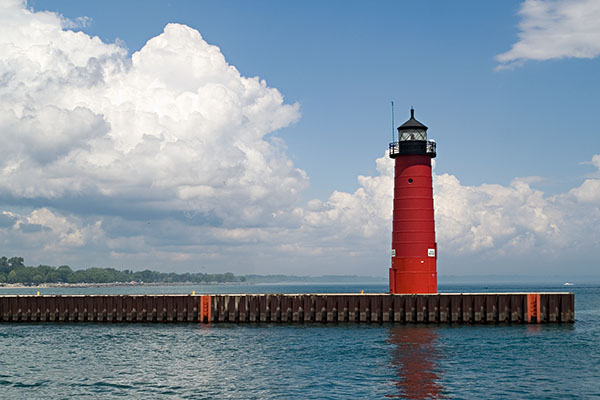
Kenosha Area Business Alliance (WI) – Kenosha First: Economic Development Strategic Plan

Challenge After stagnating in the 1970s and 1980s, Kenosha County experienced strong population growth through the 1990s and 2000s. Strategically positioned along Interstate 94 within the Chicago-Milwaukee Corridor, the county was also successful in growing its base of employers. However, the region’s dependence on traditional manufacturing sectors proved to be

Jefferson City Area Chamber of Commerce, MO – Economic Development Strategic Plan

Challenge The first decade of the 2000s saw Jefferson City falling behind regional and national competitors. From a traditional economic development standpoint, Jefferson City’s challenges were well-known: distance from the interstate and major metropolitan areas; lack of large, fully serviced business sites; a limited industrial base; and slow population and

Greater Phoenix Chamber of Commerce (AZ) – Economic Development Strategic Plan

Challenge Phoenix has long been a key Southwest business and logistics hub. Its strength in aerospace, the high-tech industry, and financial services command national and international attention. The Phoenix region’s higher education institutions, led by Arizona State University, were significant players in the revitalization of downtown Phoenix and surrounding communities.

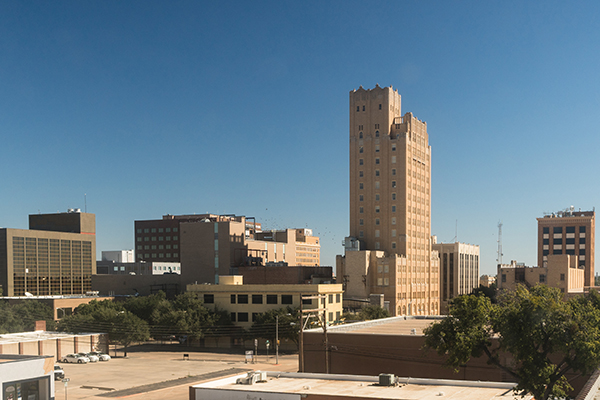
Development Corporation of Abilene (TX) – Economic Development Strategic Plan

Challenge Abilene prides itself on being a city of “firsts”: the first Texas city to create a sales-tax funded economic development effort in 1989, the first to create a downtown reinvestment zone, and the first community outside the state’s major metropolitan areas to receive a cultural district designation from the

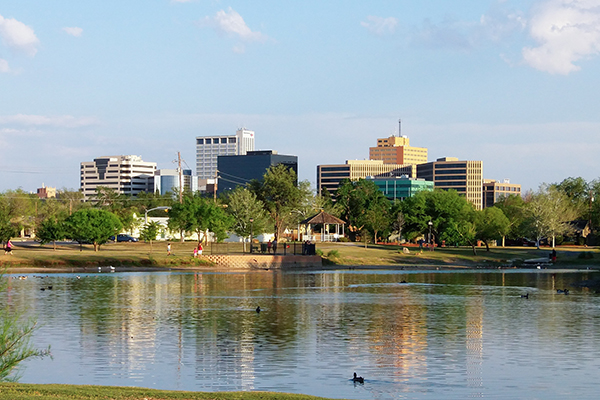
Midland Development Corporation (TX) – Priority Midland Community Visioning

Challenge Midland’s economy was thriving during the latter half of the last decade due to an ongoing energy-led expansion. Fueled by this expansion, the city added residents at a pace faster than almost any other city in the nation and greatly increased employment opportunities. This rapid growth, however, challenged city

Scroll to Top